How to Get an International Driving Permit (IDP) in the Philippines: A Complete Guide for Foreigners
If you live in the Philippines and want to drive in another country, you need an International Driving Permit (IDP). This guide will show you what an IDP is, why you need one, and how to get it. We will also cover the cost, processing time, and the list of countries that accept it.
What Is an International Driving Permit (IDP)?
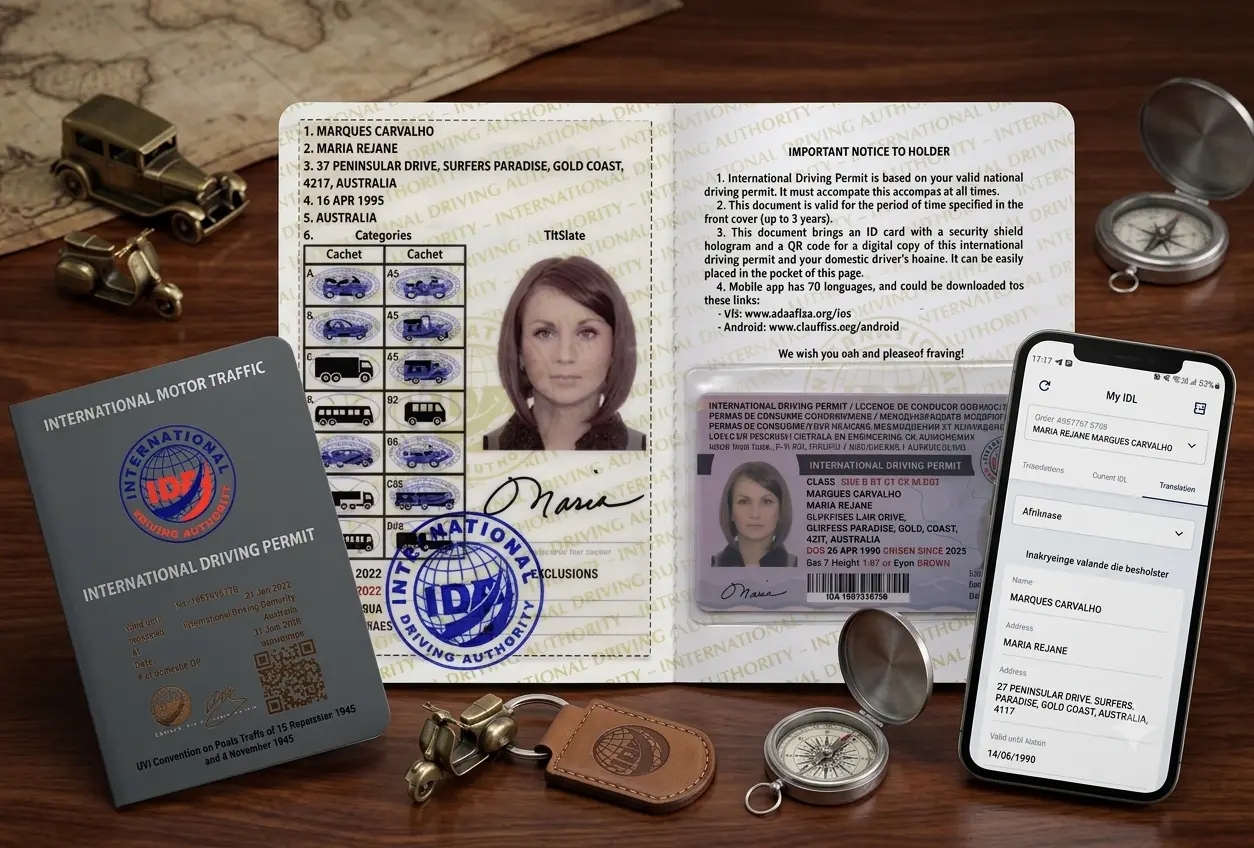
An International Driving Permit, or IDP, is a small booklet. It translates your Philippine driver’s license into several languages. This helps police and traffic officers in other countries understand your license.
The IDP is not a separate license. It works together with your original Philippine driver’s license. You must carry both when you drive abroad. Think of the IDP as a translator that travels with you.
In the Philippines, people sometimes call this the Philippine IDP, or PIDP. Both terms mean the same thing.
Why Do You Need an IDP? (Benefits and the 1949 Geneva Convention)
The IDP exists because of an old international agreement called the 1949 Geneva Convention on Road Traffic. Many countries signed this agreement. They agreed to recognize each other’s IDPs. This makes it easier for people to drive when they travel.
Here are the main benefits of having an IDP:
Without an IDP, some countries may not let you drive at all. Others may allow it, but only for a short time. It is always safer to get one before your trip.
Who Can Apply for an IDP in the Philippines?
Not everyone can get an IDP right away. You need a few things first.
You must hold a valid Philippine driver’s license. This can be a professional or non-professional license. It does not matter which type you have, as long as it is valid.
Foreign nationals living in the Philippines can also apply. This includes dual citizens and permanent residents. However, they must first have a valid Philippine driver’s license before they apply for an IDP.
Your driver’s license should also be valid for at least one more year. If your license expires sooner than that, your IDP will only last until your license expires.
AAP International License Requirements
The Automobile Association of the Philippines, or AAP, handles all IDP applications. This is important to know because some people think the Land Transportation Office (LTO) issues IDPs. It does not. The LTO international license only issues your regular Philippine driver’s license.
General Requirements for All Applicants
For a new IDP application, you will need:
The same requirements apply if you are renewing your IDP. The process does not change much between a first-time application and a renewal.
Both the plastic card license and the paper Official Receipt type of license are accepted. You do not need to worry if your license is older and looks different from newer cards.
Additional Requirements for Special Cases
Some applicants need extra documents.
Dual citizens must bring their original passport. They also need photocopies of the passport pages showing their last entry into the Philippines.
Permanent residents must bring their original passport along with their Alien Certificate of Registration, or ACR.
If someone applies on your behalf, they need a signed letter of authorization from you. They must also bring a valid government ID.
If you lost your original driver’s license, you can still apply. You will need an LTO certification and the original Official Receipt instead.
Step-by-Step IDP Application Process
There are two ways to apply for an IDP. You can do it online or in person.
Option 1: Online Application via the AAP Website
This option is convenient if you cannot visit an AAP office in person.
Option 2: Walk-in Application via AAP Branches and Accredited Agencies
Walk-in applications are useful if you want your documents checked in person. Staff can also answer your questions right away.
Where to Apply for an IDP in the Philippines
You have two main options for where to apply.
Automobile Association of the Philippines (AAP) Branches
AAP has branches across the country. You can find them in major cities like Manila, Quezon City, Cebu, and Davao. Many branches are located inside malls, which makes them easy to visit.
AAP-Accredited Travel Agencies
If there is no AAP branch near you, some travel agencies can process your IDP application too. These agencies have partnered with AAP. They follow the same steps and requirements as the main AAP office.
IDP Cost, Processing Time, and Validity
Many people want to know the price and how long the process takes. Here is a simple breakdown.
Cost: The basic Annual IDP package costs around Php 4,200. Longer packages, like the Two-Year or Three-Year options, cost more but may offer a better value if you travel often. Prices can change, so always check the AAP website for the latest fees.
Processing time: Getting your IDP is usually fast. Many applicants receive their permit on the same day, especially with walk-in applications. Still, it is wise to apply at least a few weeks before your trip. This gives you time in case of delays.
Validity: Your IDP’s validity depends on your Philippine driver’s license. If your license is valid for more than a year, your IDP will last one year from the date it was issued. If your license expires sooner, your IDP will expire on that same date.
List of Countries That Accept the Philippine IDP
The Philippine IDP works in many countries around the world. This includes popular travel destinations like Japan, the United States, Canada, the United Kingdom, and Australia.
Using the IDP in Japan
Japan accepts the Philippine IDP under the 1949 Geneva Convention. This means Filipino travelers and residents abroad can drive in Japan using their valid IDP along with their original Philippine lto license.
Using the IDP in the USA, Canada, UK, and Australia
These countries also accept the Philippine IDP. However, rules can differ between states or regions within each country. For example, some U.S. states may have specific rules about how long you can drive with a foreign permit. It is always smart to check local rules before you rent a car or drive.
Some countries place a limit on how long your IDP works there, even if the permit itself has more time left. This limit might be 30, 90, or 180 days, depending on the country. Always check the rules of your destination before you travel.
AAP vs. LTO: What’s the Difference?
Many people confuse AAP and LTO. Here is the simple answer.
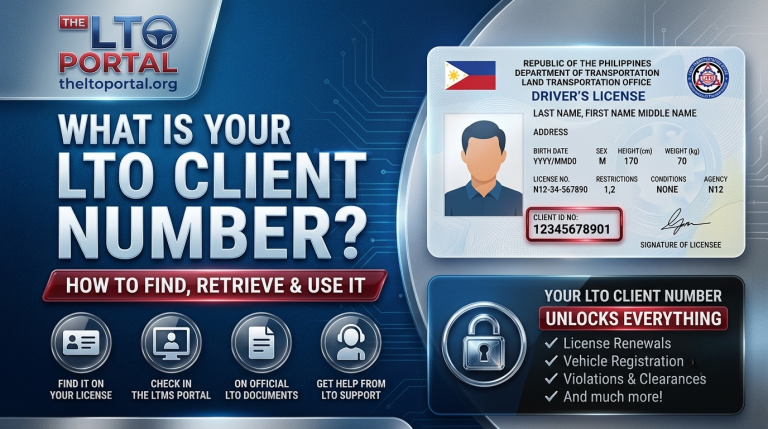
The LTO, or Land Transportation Office, issues your regular Philippine driver’s license. This is the license you use to drive within the Philippines.
AAP, or the Automobile Association of the Philippines, issues the International Driving Permit. AAP is the only authorized body for this in the country. The LTO does not process IDP applications.
Knowing this difference can save you a trip to the wrong office.
Important Reminders Before Driving Abroad
Keep these tips in mind when using your IDP:
Frequently Asked Questions
Final Summary
Getting an International Driving Permit in the Philippines is a simple process. You need a valid Philippine driver’s license, a few documents, and a small fee. You can apply online through the AAP website or visit a branch in person.
Once you have your IDP, you can drive with confidence in many countries around the world. Just remember to carry your original license alongside it, get proper insurance, and check the rules of your destination before you go. With the right preparation, your trip abroad can be smooth and stress-free.