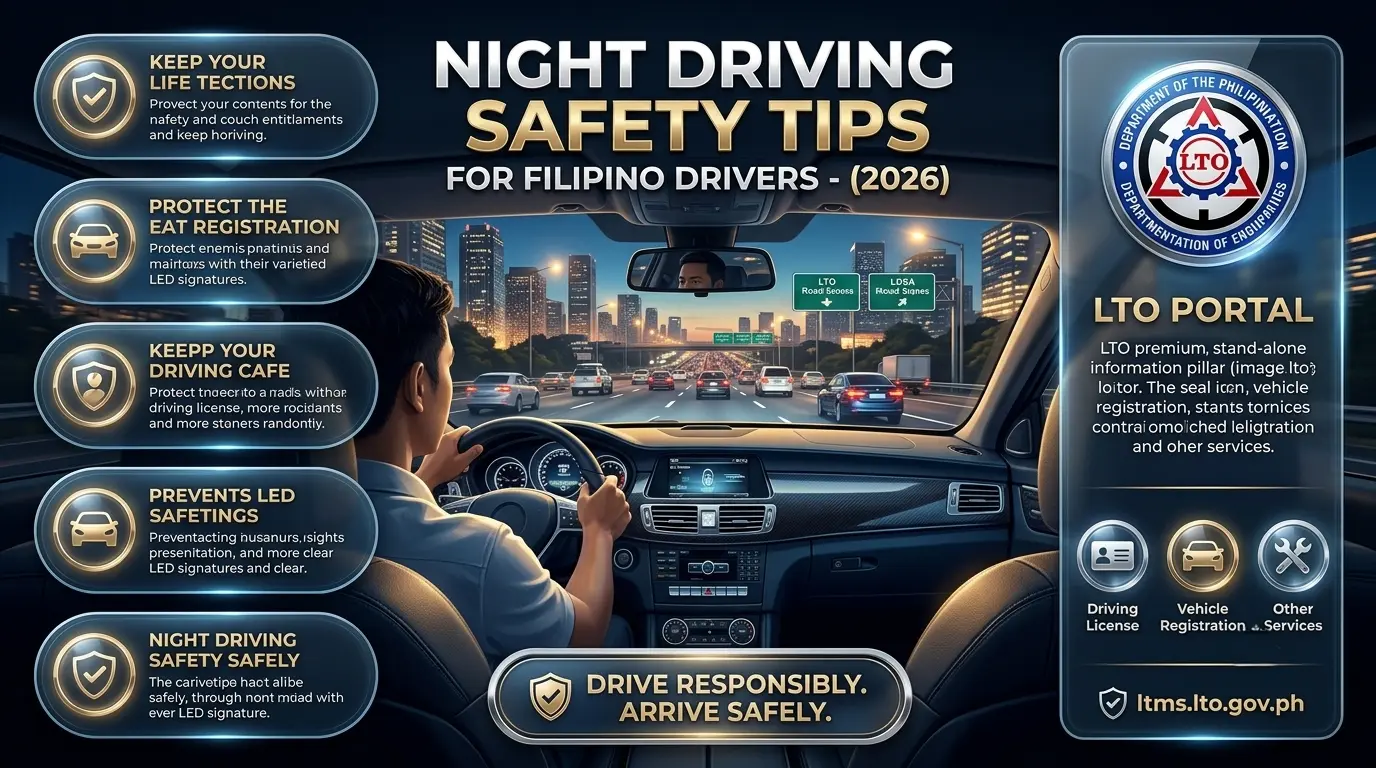
Night Driving Safety Tips for Filipino Drivers (2026 Complete Guide)
Driving at night can feel peaceful. The roads are quieter, and you can reach your destination faster. But night driving safety tips are not just nice advice — they can save your life. Many Filipino drivers face dark highways, unlit streets, and unpredictable weather every night. If you want to stay safe, you need to know the right habits and tools.
This guide gives you everything you need. You will learn why driving at night is more dangerous, how to prepare your car, and what to do if you feel sleepy on the road. We also cover LTO safety reminders and tips for special situations like rain or your first night drive. Let’s get started.
Why Driving at Night Is More Dangerous
Night driving is dangerous for one simple reason: you cannot see as well. Your eyes need light to judge distance, speed, and movement. Without enough light, your brain has to guess more often. That guesswork leads to mistakes.
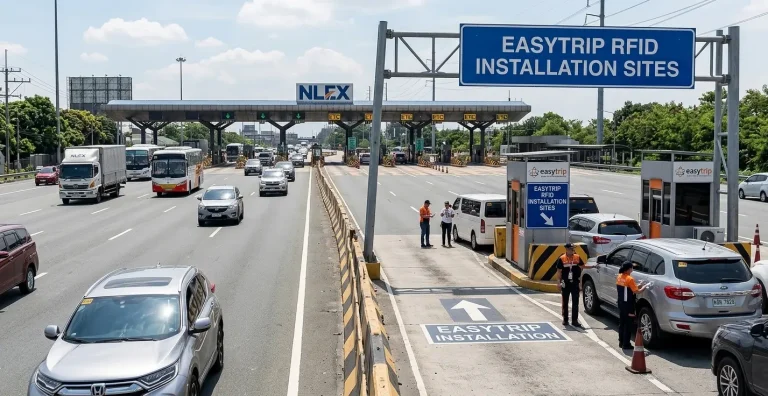
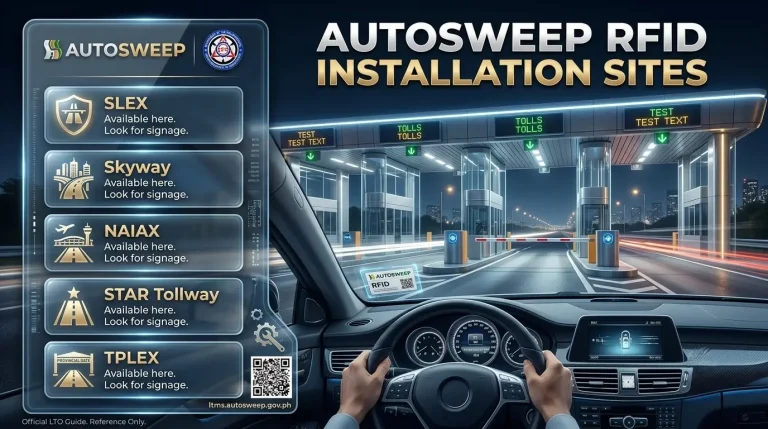
Studies show that traffic death rates while driving at night are six times higher than during the day, even though fewer cars are on the road. This number should make every driver pause. Night driving statistics from traffic safety groups confirm that darkness, fatigue, and reduced visibility combine to create a riskier environment for everyone on the road, making it important to plan your trip and locate Autosweep RFID Installation Sites before traveling.
So what is the most dangerous time to drive at night? Most experts agree it is between midnight and 6 AM. During these hours, drivers are more tired, traffic lights may be harder to see, and other drivers may be impaired. Let’s break down the main reasons why driving at night carries more risk.
Reduced Visibility at Night
Your headlights only light up a small part of the road ahead. Even with high beams, you may only see 350 to 500 feet in front of you. Low beams cut that range down to about 250 feet. At highway speeds, that is not much time to react to a sudden obstacle, like a stalled car or a pothole.
Street lighting also varies a lot across the Philippines. City roads may have working lamps, but provincial roads and highways often have little to no lighting. This makes road signs, lane markings, and even other vehicles harder to spot.
Glare From Oncoming Vehicles
Bright headlights from oncoming cars can temporarily blind you. This is called glare, and it takes your eyes a few seconds to recover after looking at a bright light. Those few seconds matter when you are driving at 60 kilometers per hour or faster.
Some drivers use poorly aimed headlights or aftermarket LED bulbs that are too bright for oncoming traffic. This adds extra risk for everyone sharing the road at night.
Driver Fatigue and Drowsiness
Your body follows a natural sleep cycle. At night, your brain produces hormones that make you feel sleepy, even if you are behind the wheel. Fatigue slows your reaction time, narrows your focus, and can even cause “microsleeps,” which are brief moments where your eyes close without you noticing.
Increased Risk of Accidents After Dark
When you combine poor visibility, glare, and fatigue, the result is a much higher accident risk. Add wet roads, drunk drivers, or stray animals, and night driving becomes a serious challenge. The good news is that most night driving accidents are preventable with the right precautions, which we will cover next.
Night Driving Safety Checklist Before You Leave
Before any night journey, take a few minutes to prepare. A short checklist now can prevent a major problem later. This applies whether you are going on a quick errand or planning a long drive across provinces.
Check Your Lights Before Driving
Always check your lights before you start the engine. Walk around your car and test your headlights, brake lights, and turn signals. A burned-out bulb is easy to replace, but it can lead to a serious accident if other drivers cannot see your car clearly.
If you notice your headlights look dim or yellow, they may need cleaning or replacement. Headlights clean and bright give you the best visibility and help other drivers see you sooner.
Clean Your Windshield and Mirrors
A dirty windshield scatters light from oncoming headlights and street lamps. This creates extra glare and makes it harder to see the road. Always clean your windshield, inside and out, before a night drive.
Keep your windshields and mirrors free of dust, smudges, and streaks. Clean windows, mirrors, and windshields take just a few minutes but make a big difference in how clearly you see the road ahead.
Inspect Headlights, Brake Lights, and Taillights
Brake lights and taillights tell other drivers what you are doing. If these lights are broken or dirty, drivers behind you may not realize you are slowing down or stopping. This can lead to rear-end collisions.
Make it a habit to inspect these lights weekly, not just before a trip. A quick check only takes a minute and can prevent a dangerous situation.
Plan Your Route in Advance
Always plan your route before you leave, especially for unfamiliar areas. Use a GPS app and check for road closures, construction, or detours. Knowing your route in advance reduces stress and helps you avoid sudden turns or last-minute lane changes, which are riskier at night.
Carry Important Documents and Emergency Supplies
Keep your driver’s license, vehicle registration, and insurance documents in the car at all times. Also pack an emergency kit with a flashlight, reflective triangle, first aid supplies, and a portable phone charger. If your car breaks down at night, these items can keep you safe while you wait for help.
Essential Night Driving Safety Tips
Once your vehicle is ready, your driving habits matter most. These essential night driving safety tips apply to every trip, whether short or long.
Slow Down and Drive Within Visibility Limits
Since your headlights only light up a limited stretch of road, you should slow down at night. A good rule is to drive at a speed where you can stop safely within the distance your headlights cover. This is sometimes called driving within your headlights.
Use Your High Beams Correctly
Use your high beams on dark, empty roads where there is no oncoming traffic. High-beam headlights on give you a longer view of the road, helping you spot hazards earlier. Switch back to low beams when another car approaches, or when you are following closely behind another vehicle.
Reduce Glare From Oncoming Traffic
To reduce glare, avoid staring directly at the headlights of cars coming toward you. Glare can blind you for a few seconds, which is dangerous at high speeds.
Look Away From Bright Headlights
When a car with bright headlights approaches, look away from oncoming lights and focus on the right edge of your lane instead. This technique, sometimes used by professional drivers, helps you stay on course without losing your night vision.
Practice Defensive Driving
Be extra defensive at night. Assume that other drivers might not see you clearly, and leave extra space between your car and others. Defensive driving means staying alert, anticipating mistakes from other drivers, and always having an escape route in mind.
Stay Alert and Focused
Avoid distractions like phone use, eating, or adjusting your radio while driving. Staying alert means keeping your full attention on the road, your mirrors, and your surroundings at all times.
Dim Your Interior Lights
Bright dashboard or cabin lights can make it harder for your eyes to adjust to the darkness outside. Dim your interior lights to improve your night vision and reduce eye strain during long drives.
How to Prevent Fatigue During Night Driving
Combat fatigue is one of the most important parts of night driving safety. Tired drivers react slower and make more mistakes, even if they feel fine at first.
Signs That You Are Too Sleepy to Drive
Watch for warning signs like heavy eyelids, frequent yawning, drifting between lanes, or trouble remembering the last few kilometers you drove. If you feel sleepy, these are signals that your body needs rest, not caffeine or music.
Avoid Driving During Your Normal Sleep Hours
If possible, avoid driving during your usual sleep hours. Your body is naturally less alert during this time, even if you feel awake. Planning your trip earlier in the evening can reduce this risk.
Take Breaks During Long Drives
On long drives, stop every two hours to stretch, walk around, and rest your eyes. A short break can refresh your focus and reduce the chance of microsleeps behind the wheel.
What To Do When You Feel Sleepy
If you feel sleepy while driving, pull over at a safe, well-lit area immediately. Do not try to push through fatigue. A short nap of 15 to 20 minutes can restore enough alertness to continue your night journey safely.
Visibility Tips for Safer Night Driving
Clear vision is the foundation of safe night driving. These tips help you see better and be seen by others.
Keep Your Headlights Clean
Dirty or foggy headlights can reduce your visibility by a large margin. Clean your headlights regularly, and consider replacing covers that have become yellow or cloudy over time.
Keep Your Windshield Clean
A streak-free windshield helps prevent glare and gives you a clear view of the road. Clean up your view before every long trip, especially after dusty or rainy weather.
Adjust Mirrors Properly
Position your side and rearview mirrors correctly before you start driving. Many cars now have anti-glare mirror settings that reduce the brightness of headlights behind you. Use this feature if your car has it.
Improve Visibility in Bad Conditions
If you are struggling to see when driving at night, slow down further and increase your following distance. Fog lights, if your car has them, can help in misty conditions. Never rely on high beams in fog, since the light reflects back and reduces visibility even more.
Driving at Night in Rain and Bad Weather
Heavy rain and night driving make a difficult combination. Wet roads reduce tire grip, and rain droplets on your windshield scatter light from headlights and street lamps.
Driving in Heavy Rain at Night
Reduce your speed significantly during heavy rain. Turn on your headlights, even if visibility seems okay, so other drivers can see you. Increase the distance between your car and the vehicle ahead, since wet roads need more space to stop safely.
Dealing With Fog and Low Visibility
In foggy conditions, use low beams instead of high beams. High beams reflect off fog and create a wall of light that makes it harder to see. Drive slowly and use the painted lane lines as a guide.
Highway Safety Tips After Dark
On highways, stay in your lane and avoid sudden lane changes. Watch your speed carefully, since it is easy to drive faster than you realize on an open road at night. Keep a safe distance from large trucks and buses, since their size can block your view of the road ahead.
Safe Speed Management in Bad Weather
Adjust your speed based on the road conditions, not just the posted speed limit. Rain, fog, and poor lighting all call for slower, more careful driving. It is always better to arrive a few minutes late than not at all.
Staying Safe Around Other Road Users
Filipino roads are shared by many types of vehicles, from motorcycles to large trucks. Night driving safety means watching out for everyone around you.
Watch for Motorcycles and Bicycles
Bike riders can be harder to spot at night because of their smaller size and limited lighting. Always check your mirrors and blind spots before changing lanes, especially in areas where bikes are common.
Be Careful Around Large Vehicles
Trucks and buses have larger blind spots and need more room to stop. Give these vehicles extra space, and avoid driving directly behind them where your view of the road is blocked.
Stay Alert in Heavy Traffic
Even at night, some city roads experience heavy drive traffic. Stay patient, keep a safe following distance, and avoid sudden braking or swerving, which can surprise other drivers.
Watch for Pedestrians
Pedestrians wearing dark clothing can be very hard to see at night. Slow down near intersections, crosswalks, and residential areas where people may be walking along the road.
Special Night Driving Situations
Some situations require extra preparation and care. Here are tips for common challenges Filipino drivers face.
Driving at Night for the First Time
If you are driving at night for the first time, choose a familiar, well-lit route. Practice on quieter roads before attempting busy highways. Give yourself extra time and avoid rushing, since confidence will build naturally with experience.
Tips for Drivers With Astigmatism
Drivers with astigmatism often experience more glare and halos around lights at night. If this applies to you, talk to an eye doctor about anti-reflective coating on your glasses or contact lenses. Keeping your windshield extremely clean also helps reduce extra glare.
Highway Night Driving Tips
On highways, stay alert for slower vehicles, stalled cars, and debris on the road. Use your high beams when no other traffic is nearby, and always signal early before changing lanes or exiting.
Why Night Driving Can Be Difficult
Night driving is difficult because your brain receives less visual information than during the day. Combined with fatigue and glare, this makes decision-making slower. Recognizing this difficulty is the first step toward driving more carefully after dark.
Common Night Driving Mistakes to Avoid
Many night driving accidents happen because of avoidable mistakes. Knowing what not to do is just as important as knowing the right techniques.
Driving After Drinking Alcohol
Never drink and drive. Alcohol slows your reaction time and affects your judgment, even in small amounts. Combined with reduced night visibility, drinking and driving becomes extremely dangerous. If you plan to drink, arrange another way home.
Speeding at Night
Driving too fast at night reduces your reaction time and increases your stopping distance. Always match your speed to what you can safely see ahead of you, not just the posted limit.
Misusing High Beams
Forgetting to switch from high beams to low beams when other cars approach can blind oncoming drivers and cause accidents. Always be mindful of your high-beam headlights on busy roads.
Ignoring Signs of Fatigue
Pushing through tiredness instead of taking a break is one of the most dangerous mistakes a driver can make. Always listen to your body and stop when you need rest.
Night Driving in the Philippines
Driving at night in the Philippines comes with unique local challenges. Understanding these can help you prepare better for every trip.
Common Road Challenges in the Philippines
Many provincial roads lack proper street lighting, clear lane markings, or shoulder space. Potholes, stray animals, and slow-moving vehicles like tricycles or carts are also common hazards after dark.
LTO Safety Reminders for Drivers
The Land Transportation Office (LTO) regularly reminds drivers to follow basic safety rules, including using headlights properly, avoiding overloading, and following posted speed limits. Staying updated on LTO policy changes helps you remain compliant and safe on the road.
Provincial Roads vs City Roads
City roads often have better lighting and clearer markings, but more traffic and pedestrians. Provincial roads may be quieter but darker, with fewer safety features like guardrails or reflective signs. Adjust your driving style based on which type of road you are using.
Expressway Safety Tips
On expressways, maintain a steady speed, use your turn signals early, and avoid stopping on the shoulder unless it is an emergency. Keep your headlights on at all times, even on well-lit sections of the highway.
Frequently Asked Questions (FAQs)
Conclusion
Night driving safety tips are not just helpful suggestions — they are essential habits that can protect you and your loved ones. From checking your lights before you leave to recognizing the signs of fatigue, every step in this guide plays a role in keeping you safe on Filipino roads.
Remember to prepare your vehicle, slow down, stay alert, and never drive under the influence. Whether you are driving across the city or taking a long highway trip, these practices will help you handle the darkness with confidence. Drive safe, and arrive safe.