Can You Use Commemorative Plates in the Philippines?
You may have seen a car with a special plate on the front. It might honor an anniversary, a government office, or a big national event. These are called commemorative plates. They look unique, but many drivers don’t know the real rules about them.
So, can you use commemorative plates in the Philippines? The short answer is yes, but only under strict conditions. The Land Transportation Office (LTO) controls who can get one, how it must look, and where it must go on your car. Many of the commemorative plates you see today are actually expired or were never approved at all. Using one the wrong way can lead to fines or even the loss of your plate.
This guide breaks down everything you need to know about commemorative plates in the Philippines. We’ll cover what they are, the laws behind them, the rules for using them, and the penalties if you get it wrong.
What Is a Commemorative Plate? (Meaning & Purpose)
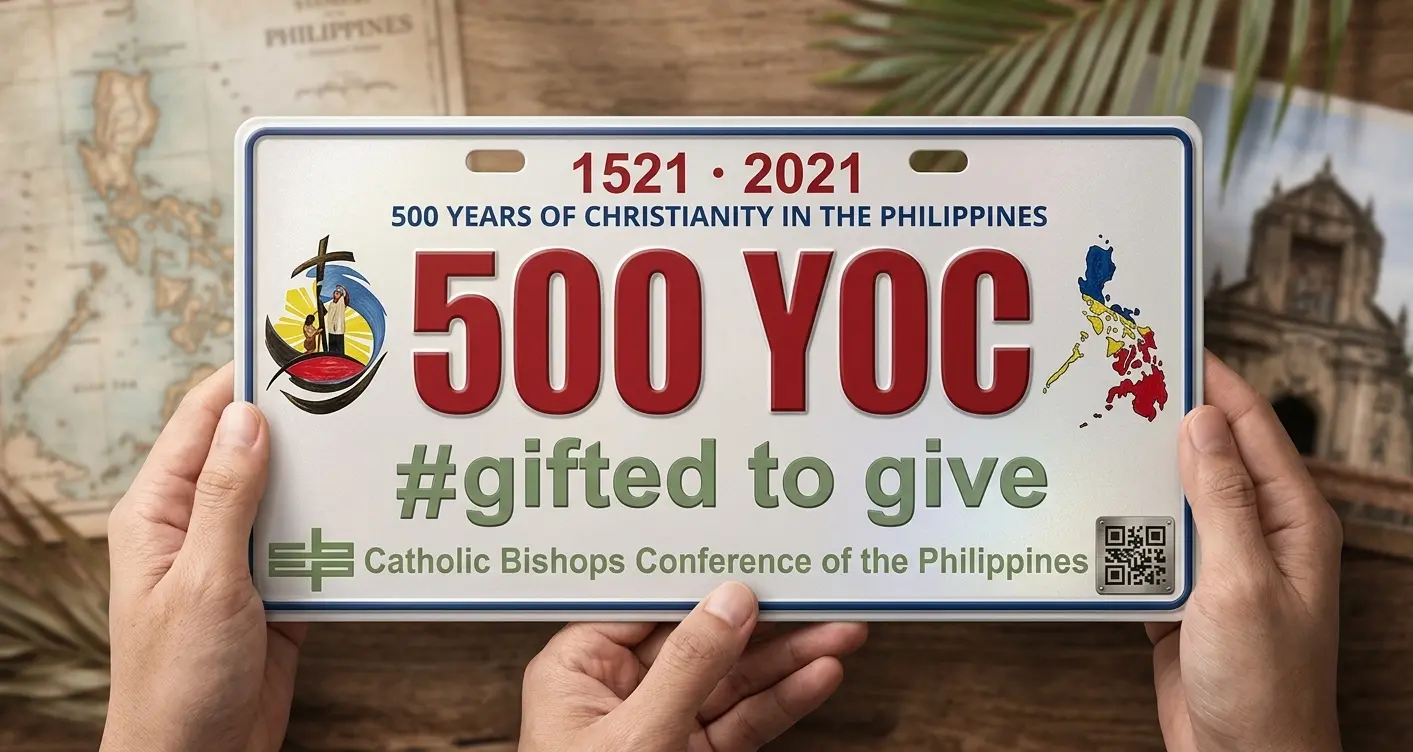
A commemorative plate is a special plate placed on a vehicle to mark an event of national, historical, or international importance. It is not meant to replace your regular LTO plate. Instead, it works as an extra display that sits on top of your front plate.
So what is a commemorative plate used for, exactly? Groups use them to celebrate things like:
Here’s a simple commemorative plate example: imagine the Philippine National Police marking its founding anniversary. They might apply for a commemorative plate design that police vehicles can display for a limited time. The plate carries a message or symbol tied to that event and is not related to an Alleged Traffic Violation. It does not change your vehicle’s actual registration number.
It’s important to understand that a commemorative plate is different from your official license plate. Your real plate proves your vehicle is registered. A commemorative plate is just a temporary, approved add-on.
The Legal Basis: Are Commemorative Plates Legal in the Philippines?
Yes, commemorative plates are legal, but only when they follow strict government approval. The rule comes from Memorandum Order No. 405, signed in 1996. This order set the policy for how commemorative plates can be issued and used across the country.
Under this order, no group can simply print and use a commemorative plate on their own. The process requires:
This answers a common question people search for: what government agency approved granting of commemorative plate. The answer is the DOTr, based on the LTO’s recommendation. So if you’re wondering who approves commemorative plate number designs, it traces back to this same approval chain. Without this written approval, a commemorative plate has no legal standing, no matter how official it looks.
Official LTO Guidelines for Using Commemorative Plates
Even after a commemorative plate gets approved, drivers still must follow strict placement and design rules. These guidelines apply to every motor vehicle duly registered as private use.
Proper Position: Superimposed Over the Front Plate Only
A commemorative plate must be the same size as a regular plate, which measures 390 mm by 140 mm. The rule is clear about where it goes: it must be placed on top of, or layered over, the regular front plate. This is called being “superimposed.”
This means your real front plate stays in place. The commemorative plate sits over it, almost like a cover. Your actual plate number from 1 to 10 Philippinesmust still be visible enough to be checked when needed.
A Strict Prohibition: The Rear of the Vehicle Is Off-Limits
This next rule trips up a lot of car owners. Placing a commemorative plate at the rear of the vehicle is strictly prohibited. The rule only allows commemorative plates on the front. Any deviation from this layout, such as putting one at the back, counts as a violation, even if the plate itself was properly approved.
Limited Validity and the Non-Transferable Rule
Commemorative plates don’t last forever. Most approvals last for six months to one year. Once that time is up, the plate must come off the vehicle.
There’s also a non-transferable rule. A commemorative plate approved for one specific vehicle cannot be moved to another car. If you sell your car or get a new one, you cannot simply move the old commemorative plate over. Doing so breaks the rule, even if the original approval was legitimate.
Fines and Penalties for Unauthorized Use of Commemorative Plates
Many drivers don’t realize how serious the penalties can be. If you use a commemorative plate that wasn’t approved, or one that has expired, you could face a fine of around ₱5,000. On top of the fine, the LTO can confiscate the plate. In repeat cases, your vehicle could even be impounded, or your registration could be flagged.
This is the heart of most commemorative glass plate violation cases. The driver isn’t always trying to break the law. Often, they simply didn’t know their plate had expired, or that it was never properly approved in the first place.
Popular Examples Found on the Road
You’ve probably spotted a few of these on Philippine roads:
Here’s the problem: many of these plates are now expired. Worse, some are sold online through marketplaces like OLX, even though they were never meant to be sold at all. Buying or using a commemorative plate this way is illegal, no matter how official the design looks.
The Myth of “Commemorative Plate No Coding”
There’s a popular myth that owning a PNP or NBI commemorative plate gives you immunity from the Unified Vehicle Volume Reduction Program, also known as number coding. This is false.
A commemorative plate is not a special pass. It does not exempt your vehicle from the Unified Vehicle Volume Reduction Program (UVVRP). It does not give you priority at checkpoints. It does not protect you from traffic violations. If a traffic enforcer stops you for number coding or any other violation, a commemorative plate offers zero legal protection.
Alternative Legal Options for Car Owners
If you want something special or unique for your vehicle, there are safer, fully legal paths you can take instead.
Protocol Plates (Low-Numbered License Plates)
You may have seen low-numbered plates on government vehicles and wondered what they mean. These are called protocol plates. They follow a set system based on rank and office. For example, the number 1 plate is reserved for the President. The number 16 plate goes to judges. Plate number 17 belongs to bureau directors.
This explains why people often search for who owns plate number 17 or look up the full list of plate numbers used by government officials in the Philippines. These plates are not for private citizens. They follow a strict government assignment system tied to specific positions.
How to Get an LTO Vanity License Plate (Personalized Plate Number)
If you want a plate that stands out, the safest legal option is an LTO Vanity License Plate. This is very different from a commemorative plate. A vanity plate lets you choose your own combination of letters and numbers, as long as it’s available and approved.
So, how much is a vanity plate in the LTO? Pricing depends on the LTO’s current schedule of fees, which can change over time, so it’s best to check directly with the LTO for the latest rate. To apply, you typically submit a request through LTO channels, choose your preferred combination, and wait for confirmation that it’s available and approved.
How do you know if an LTO plate is available? The LTO checks your requested combination against its existing database. If no one else has claimed it, and it follows naming guidelines, you can usually move forward with the application.
Unlike a commemorative plate, a vanity plate becomes your actual registered plate. There’s no confusion about expiration dates or unauthorized use, since it follows the same rules as any standard license plate.
Are Flip or Retractable Plates Allowed?
No. Flip plates and retractable plates are strictly illegal in the Philippines. These devices let drivers hide or switch their plate number, which authorities treat as an attempt to conceal a vehicle’s identity. This is taken seriously and can result in apprehension.
Summary & Quick Tips for Filipino Drivers
Here’s a quick checklist to keep your vehicle compliant and avoid problems at checkpoints:
Conclusion
So, can you use commemorative plates in the Philippines? Yes, but only with full LTO approval, correct placement on the front of your vehicle, and within the allowed time period. Many of the plates seen on the road today don’t meet these standards, which puts drivers at risk of fines and confiscation.
If you want a unique plate without the legal gray area, an LTO Vanity License Plate is a much safer choice. Whatever option you choose, the most important thing is staying within the law. A nice-looking plate is never worth a fine, a confiscated plate, or trouble with traffic enforcers.