Electronic Toll Collection (ETC) System in the Philippines: Complete Guide for Motorists (2026)
Driving on Philippine expressways like NLEX or SLEX used to mean stopping at toll gates, counting cash, and waiting in long lines. Today, the Electronic Toll Collection (ETC) System makes travel much faster and easier. With a small RFID sticker on your car, you can pass through tolls without stopping or using cash.
This complete guide explains everything you need to know about the ETC system in simple words — from what it is to how to get your own RFID tag. Whether you drive daily or only on weekends, this will help you save time and avoid stress.
What is an Electronic Toll Collection (ETC) System?
Electronic Toll Collection (ETC) is a smart wireless system that automatically collects toll fees from vehicles on expressways. No more handing over money at the booth!
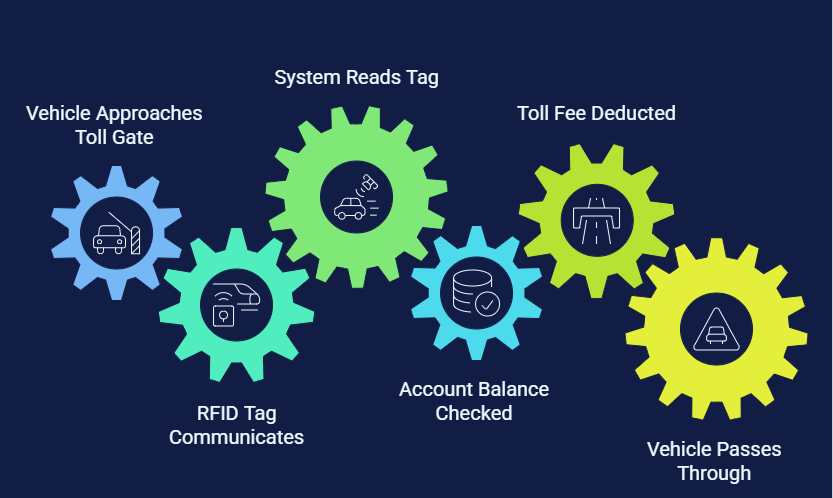
In the Philippines, ETC uses RFID (Radio Frequency Identification) technology. A small sticker (tag) on your windshield talks to sensors at the toll gate. The system reads your tag, checks your account balance, and deducts the toll fee instantly.
ETC Meaning in Toll Gates, NLEX, and SLEX
When you see “ETC” at a toll gate, it means Electronic Toll Collection lane — the fast lane for cars with RFID. “No ETC” usually means your tag was not detected or you have no valid RFID.
This cashless system is now required on most major expressways to reduce traffic and make roads safer.
Why ETC Toll Systems Are Important in the Philippines
Traffic in Metro Manila and nearby provinces is very heavy. Cash payments slow down everyone at toll plazas. ETC helps reduce waiting time, fuel waste, and air pollution. It also supports the government’s goal of modern, smart transportation.
Since 2025, the “One RFID, All Tollways” program has made things even simpler. Now one RFID account can work across most Luzon expressways, while drivers can also manage other transport-related services through the LTO Portal.
Understanding RFID Technology
RFID Meaning in Toll Gate Systems
RFID is a small sticker with a tiny chip inside. It does not need batteries. When your car passes under a special reader at the toll gate, the reader sends a signal, and the sticker replies with your account information.
How RFID Works in an Electronic Toll Collection System
- Your car approaches the gate.
- The overhead reader scans the RFID sticker.
- The system checks your balance.
- The toll fee is deducted automatically.
- The gate opens (or you pass through if it is an open gantry).
Electronic Toll Collection System in Cars
The RFID sticker is usually placed on the inside of the windshield, behind the rear-view mirror. It works best when clean and properly placed.
History of Electronic Toll Collection in the Philippines
Toll roads in the Philippines started with cash payments only. In the 2010s, the government and private companies began testing cashless systems.
The big change came when Easytrip (for Metro Pacific Tollways) and Autosweep (for San Miguel Tollways) introduced RFID. Over the years, more expressways joined the system.
In October 2025, the One RFID, All Tollways project was launched. This made it possible to use one RFID account on many different expressways instead of needing two separate ones.
Legal Basis and Government Regulations
The Department of Transportation (DOTr) and the Toll Regulatory Board (TRB) oversee the ETC system.
Since 2025, having a working RFID is mandatory on many expressways. Driving without one can get you a fine.
How the ETC System Works (Step-by-Step)
The whole process takes just a few seconds.
Major ETC Providers in the Philippines
There are two main providers:
Thanks to the One RFID, All Tollways program (launched 2025), you can now use one provider across most major Luzon expressways.
Key Features of Electronic Toll Collection
Contactless payments
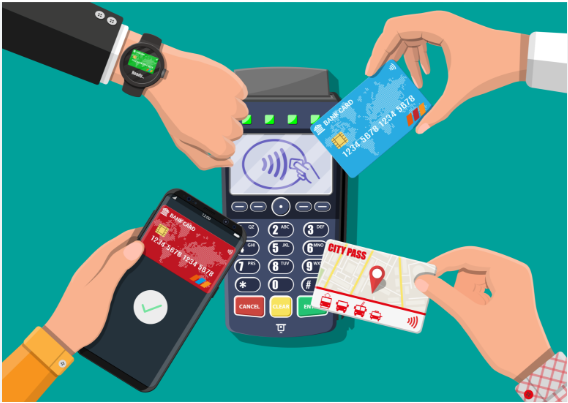
Cashless transactions
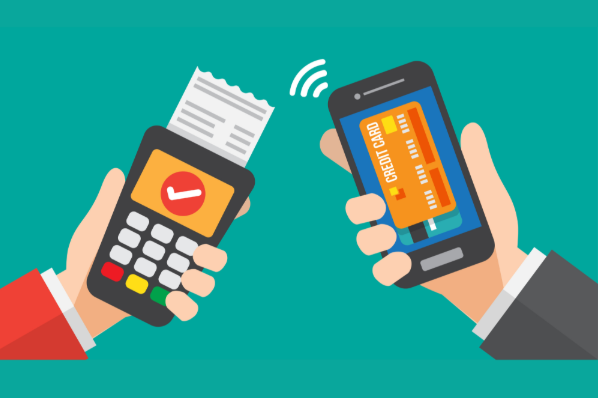
Real-time account monitoring through apps or websites
Faster processing (no stopping)
Transaction history available

Benefits of Using ETC Toll Systems
Many drivers say ETC saves them 30-60 minutes on long trips.
How to Get an ETC Card / RFID Tag in the Philippines
Eligibility Requirements
Any vehicle owner with a valid OR/CR (Official Receipt and Certificate of Registration) can apply.
Required Documents
Registration Process
You can also do part of the process online through Autosweep or Easytrip websites.
RFID Installation Procedure
Bring your car to the site. Staff will clean the windshield, place the sticker correctly, and test it.
Reloading and Managing Your ETC Account
Always keep enough balance to avoid problems at the gate.
Common Problems and Solutions
A “No ETC” message usually means the system could not read your tag or your balance is too low.
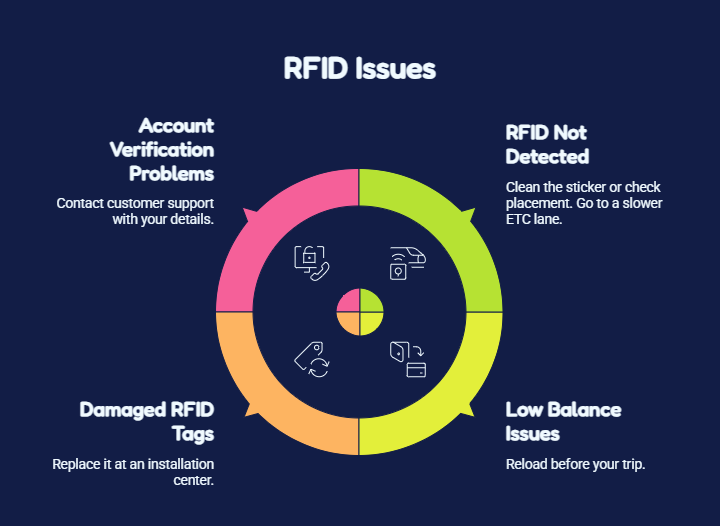
Tips for Motorists Using ETC
Recent Developments in Philippine ETC Systems (2025-2026)
The biggest news is the One RFID, All Tollways program launched in October 2025. You no longer need separate stickers for different companies. More expressways are adding open gantry systems (no physical barriers). Digital payments and app features are also improving.
Future of Electronic Toll Collection in the Philippines
The government wants fully interoperable systems, smarter highways, and possibly barrier-free tolling. More roads will join ETC, and new technologies like better sensors may appear. This will make travel across Luzon smoother and more modern.
Frequently Asked Questions
Conclusion
The Electronic Toll Collection (ETC) System is a big improvement for drivers in the Philippines. It saves time, reduces stress, and helps keep traffic moving. With the new One RFID program, it is now easier than ever to enjoy cashless travel on NLEX, SLEX, and many other roads.
Get your RFID today, keep your balance loaded, and enjoy smoother journeys. Safe driving!